
Integrative Breathwork

July 5–18, 2027
A 14-day breathwork journey along Ireland's untamed coast, designed for deep grounding, inner clarity, and emotional transformation.
A bridge between the conscious and the subconscious mind.
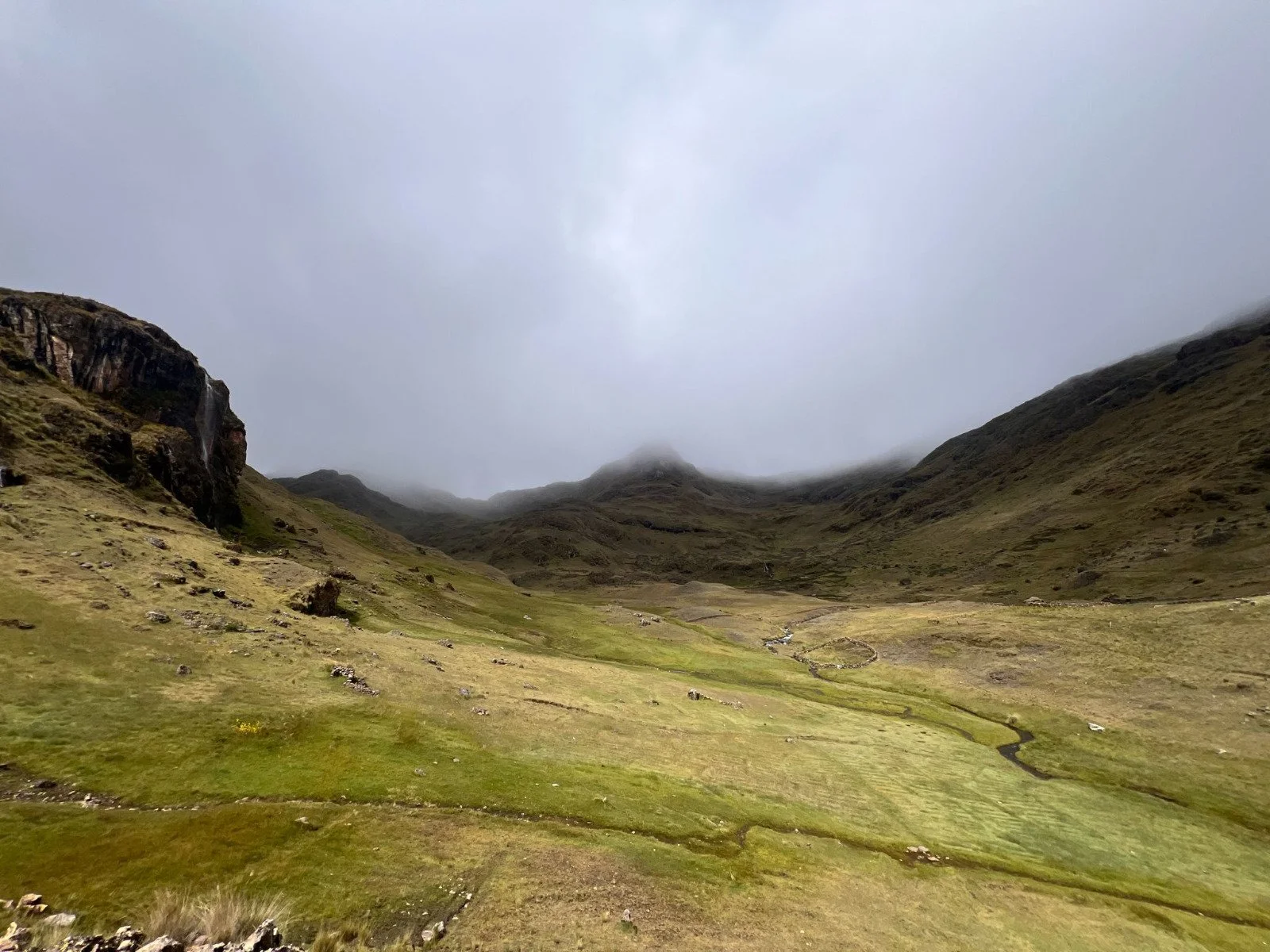
January 14–29, 2027
A 16-day transformational expedition through Peru's ecosystems—connecting breathwork with the Earth, Wind, Fire, and Water elements.

What is Integrative Breathwork?
Integrative Breathwork is a practice of conscious connected breathing—a dynamic, transformative method designed for deep personal growth, somatic regulation, and emotional release.
This approach combines core elements from 7 distinct breathing traditions, incorporating well-known methods such as Stanislav Grof’s Holotropic Breathwork, Leonard Orr’s Rebirthing, and ancient Pranayama practices.
The primary advantage of the integrative approach is its remarkable adaptability. Unlike rigid, single-modality frameworks, Integrative Breathwork is tailored precisely to your specific needs and nervous system state. A session can range from gentle breathing to a deep, highly intense, and energetically potent journey.
Beyond the breath itself, targeted somatic tools are incorporated throughout the session to facilitate safe, efficient results and help release stored physical tension.
"One of my favorite aspects of this work is interacting directly with the client during the session. By incorporating the Voice Dialogue technique into the breathwork process, we give a voice to physical tension, suppressed emotions, or bodily sensations. This dialogue allows us to decode the body's subtle signals and access deep, lasting release far more efficiently."


How Does Connected Breathing Work?
The breath is a bridge between the conscious and the subconscious mind. Every day, without thinking about it, you breathe completely automatically, controlled by your subconscious mind and your physiology. However, as soon as conscious awareness is brought to it, you can control and guide your breathing.
Connected breathing allows access to memories stored in the subconscious, unspoken and suppressed emotions, or energetic blockages held deep within the body's psychosomatic system. Conscious relaxation and deepening of the breath release tension in the body, helping to uncover and resolve emotional holding patterns and trauma stored in the body/mind. Once re-experienced, expressed, and integrated, these experiences and memories lose their emotional hold on your life, allowing you to live more consciously, freely, and authentically.
Breath therapy operates on the principle that there is a direct connection between mental and physical well-being and the openness of your breath. Deepening and relaxing the breath releases tension in both body and mind. The core elements of a session are breath, relaxation, awareness, and surrender—"allowing whatever wants to happen, to happen.


Physiological Perspective
Through continuous connected breathing, the oxygen balance and partial pressure of CO2 (carbon dioxide) in the body shift, as do hormone and endorphin levels in the brain. These physiological shifts and changes in brainwave activity induce a self-regulated trance state (an expanded state of consciousness). In this state, memories, images, or emotions stored within the subconscious and cellular memory can surface to be released and integrated.
The power of breath therapy lies in the fact that the breather is simultaneously the experiencer and the observer of past events. This dual perspective allows one to let go of or reframe past experiences from a wiser, more conscious standpoint.


Holistic Perspective
Through conscious connected breathing, you accumulate more vital life energy (Prana), which begins to flow freely through the body—often felt as tingling, energetic surges, or waves. This releases accumulated blockages across all four levels of your energetic system: physical, emotional, mental, and spiritual. You work on all four levels at the same time.
Every session is unique, offering a wide spectrum of experiences. These can range from physical sensations like heat, cold, pain, pleasure, or waves of energy, to emotional releases (grief, anger, joy, etc.), the dissolution of dysfunctional thought patterns, newfound mental clarity, and profound spiritual or energetic experiences, states of bliss, light, or any combination of these.


What Are the Benefits of Integrative Breathwork?
Breathing is one of the most powerful self-healing methods available to us.Through this breathwork practice, you will access memories, unspoken words, and suppressed emotions stored deep within your psychosomatic system, allowing you to uncover and release emotional trauma held within your body and mind.
Breathwork can help improve self-esteem, relieve depression, migraines, asthma, anxiety, psychosomatic symptoms, pain, and tension in various parts of the body. It supports you in overcoming phobias, releasing guilt, resentment, and breaking free from addictive patterns.


"Trauma is not what happened to you, it is what happened inside of you as a result of what happened to you. Healing requires us to process those emotions trapped in the body."
— TIM FLETCHER